


From Ben Strubel of Strubel Asset Management.
Dear Investors,
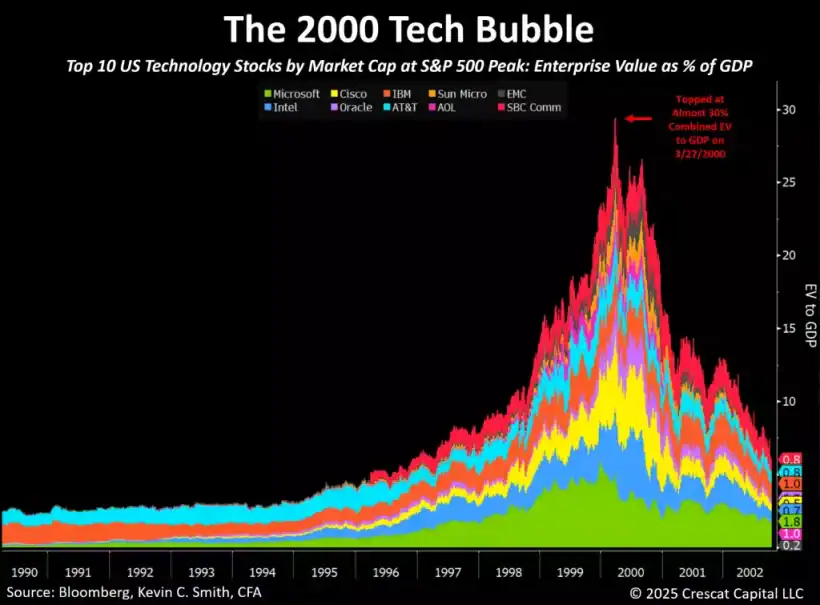
A fascinating thing about the internet or dot-com bubble during the late 1990s to early 2000s is that the main investment thesis was correct. As expected, the internet and affordable home computers were transformative. They changed the economy and our lives. They really did revolutionize society.
Today most of us have at least one streaming service like Netflix at home. Pet owners regularly order pet food, medications, and supplies from Chewy.com. Home grocery delivery from either the grocery store chain itself or services like Instacart or DoorDash is commonplace. Most of us are connected to at least one social network like Facebook. We live in a world of connected devices from phones, laptops, and tablets to watches, fitness trackers, and even hearing aids. And finally, if we need an answer to a question, we “Google” it.
The problem with the dot-com bubble wasn’t the main idea that the internet would revolutionize society. The problem was a mixture of technology that hadn’t fully matured, business models that weren’t well thought out, and just plain overbuilding or overhyping. Pets.com was an early Chewy.com, but it’s one of the poster children for dot-com busts. It was just too early, and consumers were too slow in adapting.